Mastering the Quran - Excellence in Hifz and Tajweed
Jamia Aaliya Ihya-ul-Uloom Balamabat
Deprtament of Hifz ul Quran & Tajveed
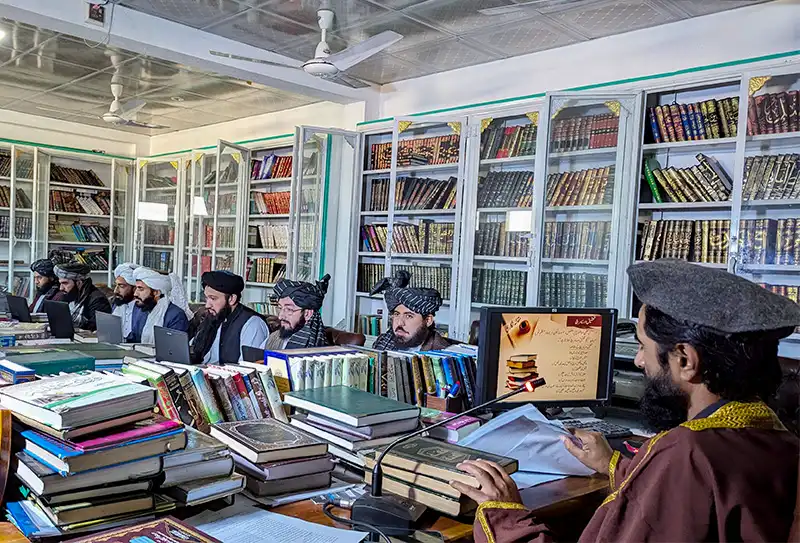
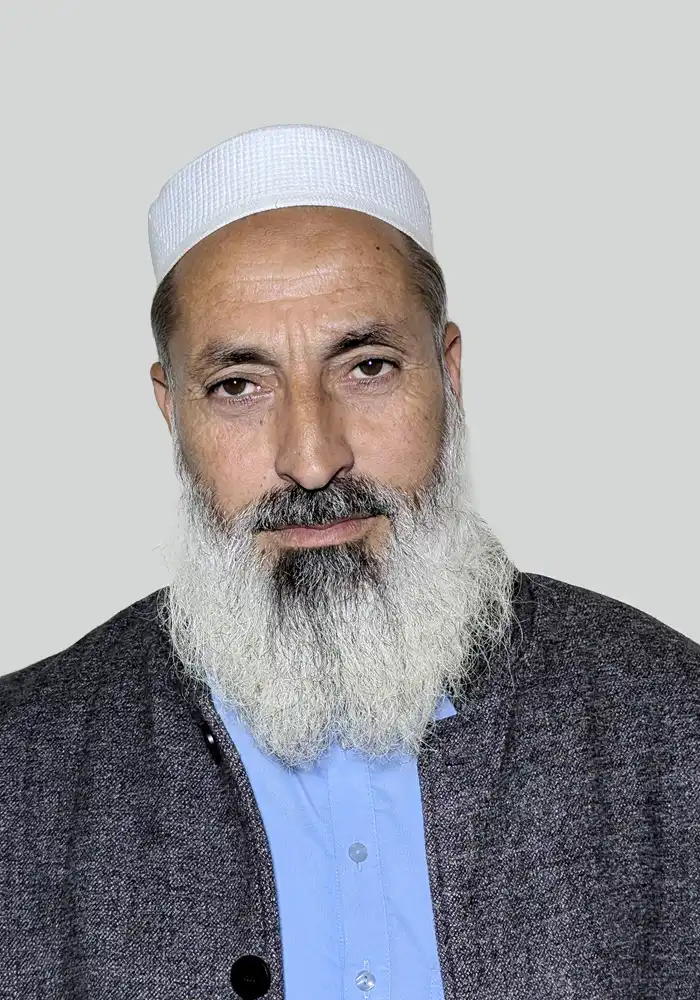
The Department of Specialization in Islamic Jurisprudence and Ifta was established in 2020 at Jamia Aaliya Ihya-ul-Uloom Balamabat. The department is supervised by Mufti Abdul Wadud, a graduate of Dar-ul-Uloom Karachi, with prior experience at Jamia Hanifiya Karachi and Tafheem-ul-Quran, Mardan.
In the present era, the significance and utility of fatwas have grown more than ever. In this age of globalization, new forms of trade, employment, industry, and technological inventions have emerged. Accordingly, issues are addressed by adhering to the Islamic research methodology, providing solutions that align with Islamic principles.
The esteemed Muftis and scholars of the Jamia answer questions asked by the local community in light of the Quran and Sunnah, delivering responses through both speeches and written formats. A compilation of all questions from the past three years has been prepared.
Course Structure
This one-year course is divided into four main components.
Lectures: Formal teaching of prescribed textbooks Self-Study: Independent study of selected materials Practical Exercises: Daily practice sessions and problem-solving Research Paper: Writing a thesis on selected jurisprudential topics
Curriculum Details
Lorem ipsum dolor sit amet, consectetur adipiscing elit. Ut elit tellus, luctus nec ullamcorper mattis, pulvinar dapibus leo, quis nostrud exercitation nosi ullamco laboris nisi ut aliquip ex ea commodo consequat.
Lecture Topics: Subjects include Principles of Ifta, Etiquette of Fatwa Writing, Fiqh Rules, Ilm al-Rijal, Inheritance Law, Research Methodology, Quranic Sciences, Modern Economics, and Contemporary Fiqh Issues. All lectures are delivered with the aid of projectors for enhanced learning.
Self-Study Materials: Key texts include Bidayat al-Mujtahid, Al-Majallah al-Ahkam al-Adliyyah, Fatawa Haqqaniyyah, Tafheem al-Masa’il, Ahkam al-Quran by Al-Jassas, Badai’ al-Sana’i, Al-Mughni by Ibn Qudamah, and Al-Muhalli by Ibn Hazm Zahiri.
Practical Exercises: Students solve daily exercises based on the principles of Islamic research and jurisprudence, applying theoretical knowledge to practical issues.
Research Paper: In the final two months, each student is required to write a comprehensive thesis (100-150 pages) on an assigned fiqh topic, demonstrating their scholarly skills.